Home Sellers
How do I prepare my home for the season?
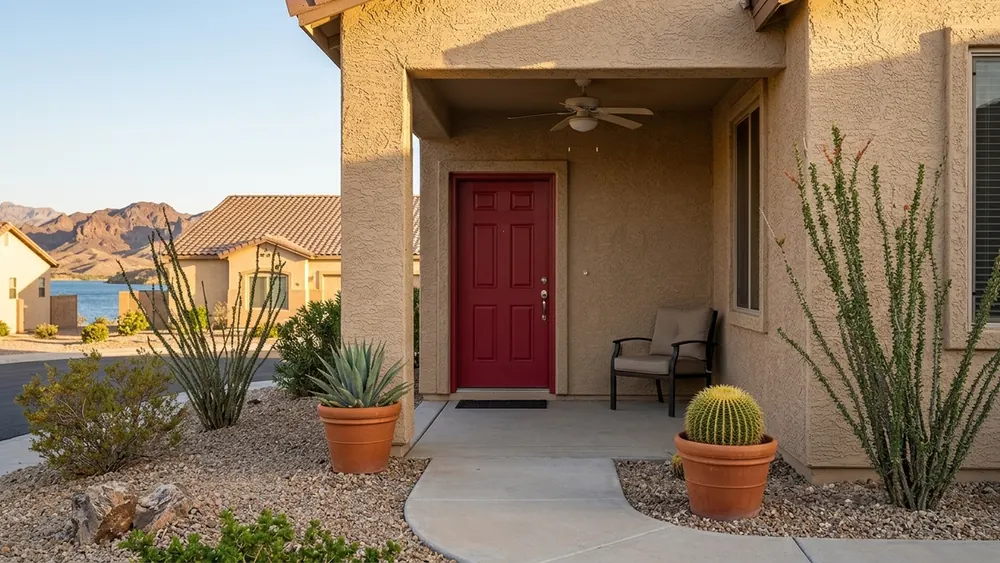
Preparing your Lake Havasu City home for the season means handling visible repairs, gathering records on the home and planning photos and showings, so everything is finished before buyers and seasonal residents are in town.
On this page
Getting ready before the window opens
Preparing a Lake Havasu City home for the season comes down to three jobs: handle the visible repairs, gather records on the home, and plan the listing so it is ready when buyers and seasonal residents are in town. The aim is simple. When the window you are planning for opens, your home should already be clean, finished and documented, rather than halfway through a project.
This matters because the season can change how many people are looking. If your home is still in progress when interest is strongest, you may lose part of the window to work that could have been done earlier. Preparation done ahead of time also gives you room to handle surprises. A repair that turns out bigger than expected is far easier to manage when you planned extra time for it from the start.
This guide covers what to fix first, which records to gather, how a desert climate shapes the checklist, what changes for a seasonal home, and who answers the questions that sit outside real estate. It does not tell you what any repair is worth or predict how buyers will respond to it. Those answers depend on your home, on the season you choose and on current local conditions at the time you list.
Start with what buyers notice first
Walk through your home the way a buyer would, starting at the curb. Look at the driveway, the front entry, the yard and anything visible from the street. Then walk inside and note the things that catch your eye: worn paint, broken fixtures, stained surfaces, doors that stick. These are the details buyers notice in the first few minutes, and they shape how the rest of the tour feels.
Focus on fixes buyers notice first rather than big projects that may not change how the home shows. Small repairs, a deep clean and clearing clutter often do more for a first impression than a major remodel started at the last minute. If you are unsure whether a larger project makes sense before listing, talk it through before you commit time and money to it. Cheryl can help you think through the real estate side of that choice.
Outdoor spaces deserve the same attention as the inside. Local buyers often ask about patios, shade, yard care and parking, so make sure those areas are tidy and easy to understand. Clear storage areas, sweep the driveway and side yards, and check that any gates open and close properly. A buyer who can picture using the outdoor space is more likely to remember the home after the tour.
How the desert climate shapes your checklist
A home in a desert lake town faces sun, heat and dry conditions for much of the year, and buyers know it. Cooling, roofing, plumbing and sun exposure are among the first things they ask about. Before you list, find out what you can about the age and condition of those systems, and gather any service records, receipts or warranty papers. Having that information ready answers questions before they slow things down.
Look closely at the parts of the home that take the most sun. Exterior paint, window coverings, outdoor fixtures and shaded areas can show wear sooner than you expect. Take note of anything faded, cracked or worn. You do not have to fix everything, but knowing what a buyer will see lets you decide what to address before listing and what to simply disclose and explain when questions come up.
If you have questions about the condition of a system, a pre-listing look from a licensed home inspector can show you what a buyer’s inspector may find. Questions about permits or past work on the home belong with the City of Lake Havasu City or official Mohave County sources. Questions about what you are required to disclose belong with a real estate attorney. Getting those answers early keeps them from becoming late surprises.
Records worth gathering before you list
Buyers ask questions, and records answer them. Gathering paperwork early also saves you from searching through drawers in the middle of a negotiation. Pull together what you have now, even if it feels incomplete, and note what is missing so you can decide whether it is worth tracking down. These are the records to start with.
- Service records and receipts for cooling, roofing, plumbing and other major systems
- Warranty papers for appliances, systems or recent work that may transfer to a buyer
- HOA documents, if the property has an association, including any rules on parking
- Permits or paperwork for past additions, garages, patio covers or other improvements
If the home is a manufactured home or sits on land with its own questions, ask about title, foundation and utility records early, since those can take longer to find. A title professional can help with title questions, and official county sources can help with records on the property. Keep everything in one folder, paper or digital, so it is ready the moment a buyer or a buyer’s agent asks for it.
Who answers each preparation question
Part of preparing well is knowing which questions belong with whom. Cheryl handles the real estate side: timing, presentation and how buyers are likely to see the home. Other questions belong with the right outside source, and sending them there early keeps your plan accurate. Here is a simple way to sort the questions most sellers face before listing, along with why each one matters.
| Question | Why it matters | Who to ask |
|---|---|---|
| When should the home be ready? | It sets the timeline for every other step | Cheryl, using current local data |
| What condition are the major systems in? | Buyers in a desert climate ask early | A licensed home inspector |
| Was past work on the home permitted? | Missing paperwork raises buyer questions | City of Lake Havasu City or Mohave County |
| What do the HOA rules say? | Rules can affect parking and use | The HOA documents for the property |
| What must I disclose to buyers? | Disclosure questions carry legal weight | A real estate attorney |
Sorting questions this way keeps you from relying on guesses, and it gives each answer a clear source you can point to if a buyer asks. If you are not sure where a question belongs, raise it early. Most can be routed quickly, and the earlier you ask, the more time you have to act on the answer before the window you are planning for opens.
Preparing a seasonal home from afar
If the home is a seasonal place and you are not in town full time, preparation takes extra planning. You may need to arrange repairs, cleaning and yard care while you are away, and coordinate access for contractors and photographers. Decide early which steps need you in person and which others can handle for you. A clear schedule keeps work moving even when you cannot check on it yourself.
Think about how the home will look while it sits between visits. Dust, yard growth and closed up rooms can make a home feel unused, so plan regular care during the listing period. Questions about remote signing and closing steps belong with a title professional. If you have tax questions about selling a second home, take them to a tax professional rather than relying on general advice you found elsewhere.
Your preparation notes for a first conversation
You do not need to finish every task before talking about a plan. A short set of notes is enough to start. Bring what you know, and bring what you are unsure about. These notes make it easier to build a realistic preparation schedule around the season you are aiming for, and to decide which tasks come first.
- The listing window you have in mind and any deadlines tied to your move
- Repairs you already know about, large or small, inside and outside the home
- Records you have found so far, and the ones you still need to track down
- Features you want buyers to notice, such as shade, lake views or RV parking
Cheryl Graner works with sellers in Lake Havasu City and nearby Mohave County communities such as Bullhead City, Kingman and Golden Valley, helping them plan preparation around the season. If you are getting ready to sell, bring your notes to a conversation. You will leave with a clearer order of steps and a sense of what to tackle first, with no pressure to list before you are ready.
This article is general information about buying and selling homes in Lake Havasu City and nearby Mohave County communities. It is not legal, tax, lending, title or inspection advice and does not predict prices or promise results. Confirm RV parking and HOA rules with the City of Lake Havasu City and HOA documents, lake and flood questions with official sources, financing with a lender, and property condition with a licensed home inspector. Cheryl Graner, HomeSmart.

Written by